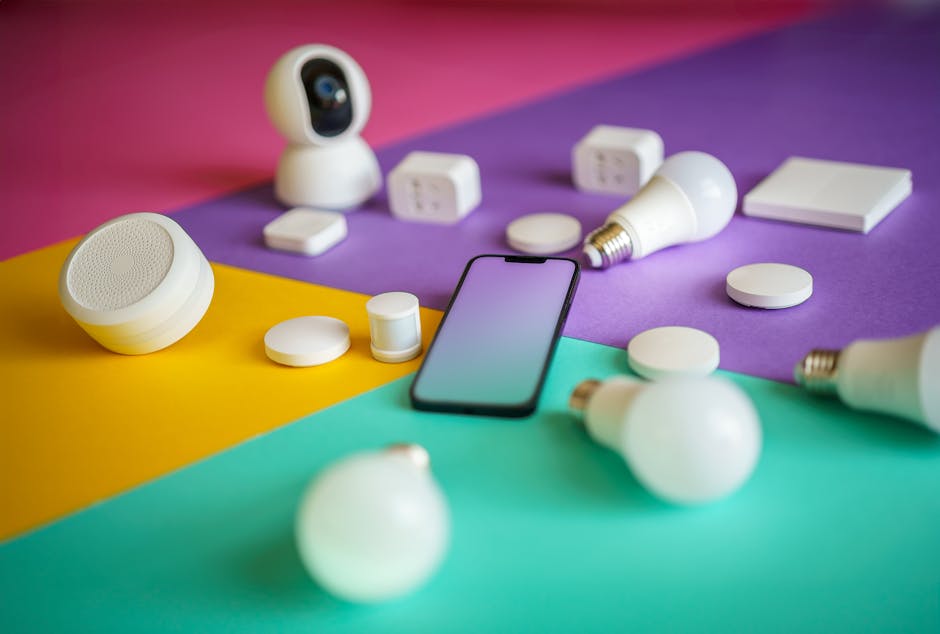
Water damage is a homeowner’s nightmare. From burst pipes to leaky appliances, the potential for costly repairs and extensive property damage is ever-present. Fortunately, the Internet of Things (IoT) offers a powerful solution: smart home water sensors. These devices, interconnected and communicating via a central hub, provide homeowners with unprecedented control and visibility over their water systems, minimizing risks and optimizing water usage. This article will delve into the functionality, benefits, types, installation, cost, and future trends of IoT smart home water sensors, emphasizing their role in enhancing water safety and security.
Understanding the Functionality of Smart Water Sensors
Smart water sensors are compact electronic devices designed to detect the presence of water where it shouldn’t be. They typically employ one or more sensing technologies, the most common being:
- Conductivity Sensors: These sensors measure the electrical conductivity between two electrodes. Water, especially tap water containing dissolved minerals, is conductive. When water bridges the gap between the electrodes, the sensor registers a change in conductivity, triggering an alert.
- Capacitive Sensors: These sensors measure changes in capacitance caused by the presence of water. The sensor consists of two conductive plates separated by a dielectric material. When water comes into contact, it alters the dielectric constant, leading to a change in capacitance, which the sensor detects.
- Ultrasonic Sensors: These sensors emit ultrasonic waves and measure the time it takes for the waves to bounce back. The presence of water alters the propagation of these waves, allowing the sensor to detect leaks or flooding.
Once a sensor detects water, it immediately sends an alert to the homeowner via a smartphone app, email, or SMS. The alert typically includes the location of the leak (identified by the sensor’s placement) and the severity of the potential problem. Some advanced systems can even automatically shut off the main water supply valve to prevent further damage.
Beyond leak detection, some smart water sensors monitor other critical parameters, such as:
- Water Pressure: Sensors monitor water pressure fluctuations, which can indicate potential pipe bursts or other plumbing issues.
- Water Temperature: Freezing temperatures can cause pipes to burst. Sensors can detect temperature drops and alert homeowners to take preventative measures, such as insulating pipes.
- Humidity Levels: High humidity levels can contribute to mold growth and other moisture-related problems. Some sensors track humidity and alert homeowners to potential issues.
Benefits of Implementing Smart Water Sensor Systems
The benefits of implementing a smart water sensor system extend beyond simple leak detection. They offer:
- Early Leak Detection and Prevention: The most significant benefit is the ability to detect leaks early, often before they cause significant damage. This allows homeowners to address problems quickly and prevent costly repairs.
- Reduced Water Bills: By identifying hidden leaks, homeowners can save a significant amount of money on their water bills. Even a small, slow leak can waste thousands of gallons of water over time.
- Minimized Property Damage: Early detection of leaks minimizes the extent of property damage, preventing mold growth, structural damage, and damage to personal belongings.
- Remote Monitoring and Control: Homeowners can monitor their water systems remotely from anywhere in the world using a smartphone app. This is particularly useful for vacation homes or properties that are frequently unoccupied.
- Improved Insurance Premiums: Some insurance companies offer discounts to homeowners who install smart water sensor systems, recognizing the reduced risk of water damage claims.
- Data-Driven Insights: Smart water sensor systems collect data on water usage, temperature, and pressure. This data can be used to identify trends and patterns, providing valuable insights into water consumption habits and potential problems.
- Automatic Water Shut-Off: Advanced systems equipped with automatic shut-off valves can automatically turn off the main water supply when a leak is detected, preventing further damage.
- Environmental Benefits: By reducing water waste, smart water sensor systems contribute to water conservation and help protect the environment.
Types of Smart Water Sensors
Smart water sensors come in various forms, each designed for specific applications and offering different levels of functionality. Key types include:
- Spot Leak Sensors: These are small, standalone sensors designed to be placed near potential leak sources, such as washing machines, dishwashers, water heaters, and toilets. They detect water directly in contact with the sensor.
- Whole-House Leak Detectors: These sensors are installed on the main water line entering the home. They monitor water flow and pressure, detecting leaks anywhere in the plumbing system.
- Smart Faucet Sensors: These sensors attach to existing faucets and monitor water usage, temperature, and pressure at the point of use. They can detect leaks, monitor water consumption, and even provide real-time data on water quality.
- Smart Sprinkler Controllers: While not strictly water leak sensors, smart sprinkler controllers optimize outdoor water usage by adjusting watering schedules based on weather conditions and soil moisture levels. This helps prevent overwatering and water waste.
- Freeze Sensors: These sensors are designed specifically to detect freezing temperatures and alert homeowners to the risk of burst pipes. They are often used in conjunction with other water sensors to provide comprehensive protection.
Installation Considerations and Best Practices
Proper installation is crucial for ensuring the effectiveness of smart water sensors. Consider these best practices:
- Strategic Placement: Place spot leak sensors in areas prone to leaks, such as under sinks, near appliances, and around toilets. For whole-house leak detectors, install them on the main water line after the water meter and pressure regulator.
- Professional Installation: While some sensors are easy to install DIY, whole-house leak detectors and systems requiring plumbing modifications should be installed by a qualified plumber.
- Connectivity: Ensure the sensors have a reliable Wi-Fi connection or another communication protocol (e.g., Z-Wave, Zigbee) to transmit data to the hub and the homeowner’s smartphone.
- Power Source: Consider the power source of the sensors. Some are battery-powered, while others require a wired connection. Choose the option that best suits the installation location and power availability.
- Regular Maintenance: Check the sensors regularly to ensure they are functioning properly. Replace batteries as needed and clean the sensors to remove any debris or obstructions.
- Calibration: Some sensors require calibration to ensure accurate readings. Follow the manufacturer’s instructions for calibration procedures.
- Integration with Other Smart Home Devices: Integrate the water sensor system with other smart home devices, such as smart thermostats and security systems, for a more comprehensive home automation experience.
Cost Considerations and Return on Investment
The cost of a smart water sensor system varies depending on the type of sensor, the number of sensors, and the level of functionality.
- Spot Leak Sensors: Typically range from $20 to $50 per sensor.
- Whole-House Leak Detectors: Typically range from $200 to $800, including professional installation.
- Smart Faucet Sensors: Typically range from $100 to $300 per sensor.
While the initial cost may seem significant, the return on investment can be substantial. By preventing water damage, reducing water bills, and potentially lowering insurance premiums, a smart water sensor system can pay for itself over time. The peace of mind knowing that your home is protected from water damage is also a valuable benefit.
Future Trends in Smart Water Sensor Technology
The field of smart water sensor technology is constantly evolving. Expect to see these future trends:
- Increased Integration with AI and Machine Learning: AI-powered algorithms will analyze sensor data to predict potential leaks and identify patterns that indicate water waste or plumbing problems.
- Improved Sensor Accuracy and Reliability: Advances in sensing technology will lead to more accurate and reliable leak detection.
- More Sophisticated Alerting Systems: Alerting systems will become more sophisticated, providing homeowners with more detailed information about the leak and recommended actions.
- Expansion of Sensor Functionality: Sensors will incorporate additional features, such as water quality monitoring, flow rate analysis, and pressure regulation.
- Greater Interoperability: Sensors will be able to communicate seamlessly with other smart home devices and platforms, creating a more integrated and automated home environment.
- Miniaturization and Wireless Power: Sensors will become smaller and more discreet, and wireless power technologies will eliminate the need for batteries or wired connections.
- Predictive Maintenance: By analyzing water usage patterns and identifying potential problems before they occur, smart water sensor systems will enable predictive maintenance, reducing the risk of costly repairs and downtime.
- Enhanced Security: As with all IoT devices, security is paramount. Future smart water sensors will incorporate robust security features to protect against hacking and unauthorized access.
Smart water sensors represent a significant advancement in home water safety and security. By providing early leak detection, remote monitoring, and automatic water shut-off capabilities, these devices empower homeowners to protect their property, conserve water, and save money. As the technology continues to evolve, expect to see even more sophisticated and integrated solutions that will further enhance the safety and security of our homes.