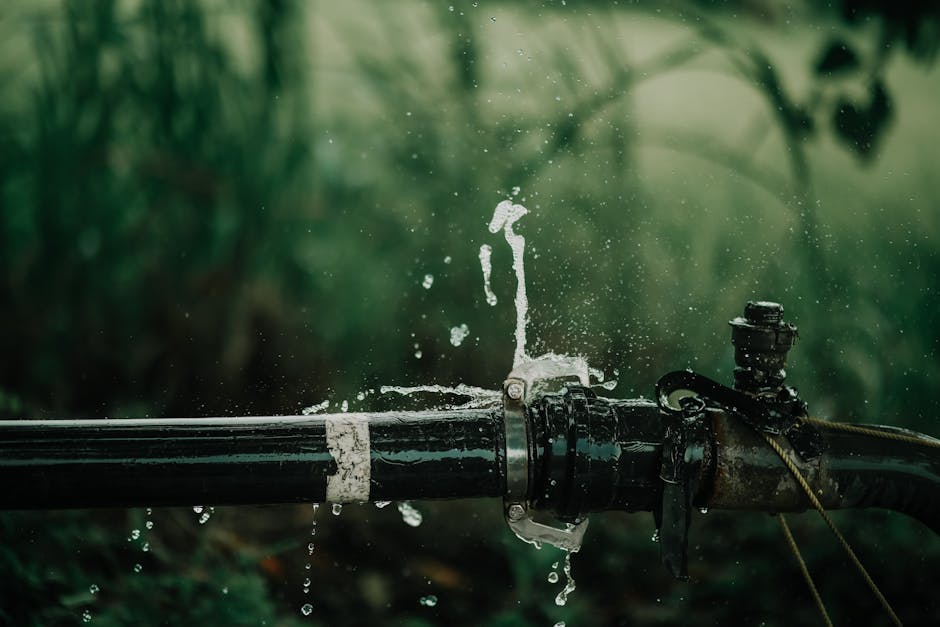
The Silent Thief: Home Water Leak Detection Solutions Explained
Water leaks are a homeowner’s nightmare. They can manifest subtly, dripping away unseen for weeks or even months, causing extensive structural damage, mold growth, and inflated water bills. Identifying and addressing these leaks early is crucial to protecting your investment and ensuring the health and safety of your family. Thankfully, a variety of home water leak detection solutions exist, ranging from simple DIY methods to sophisticated smart home systems. This comprehensive guide explores these options, offering insights into their functionality, benefits, limitations, and suitability for different needs and budgets.
Understanding the Problem: Types of Water Leaks
Before diving into solutions, it’s important to understand the different types of leaks that can plague a home:
- Supply Line Leaks: These occur in pipes delivering fresh water to fixtures like faucets, toilets, and appliances. They can result from corrosion, aging pipes, faulty connections, or pressure fluctuations. They are often under pressure, leading to more rapid and significant water loss.
- Drain Line Leaks: These involve wastewater pipes carrying used water away from sinks, showers, and appliances. These leaks often occur at joints, due to clogs, or from pipe deterioration. They may not be under pressure like supply lines, but can create unsanitary conditions and foster mold growth.
- Fixture Leaks: These occur directly at faucets, toilets, showers, and appliances. They are often caused by worn-out washers, loose connections, or damaged components. These are generally the easiest to detect and repair.
- Hidden Leaks: These are the most insidious, occurring behind walls, under floors, or within appliances. They can be caused by pinhole leaks in pipes, condensation, or issues with building materials. Detection often requires specialized equipment or a keen eye for signs of water damage.
- Slab Leaks: These occur in water pipes running beneath the concrete foundation of a home. They are particularly damaging, as they can undermine the structural integrity of the foundation, lead to rising damp, and promote mold growth. They often require professional detection and repair.
- Roof Leaks: Though not strictly “water pipe” leaks, roof leaks are a significant source of water damage in homes. They can stem from damaged shingles, faulty flashing, or clogged gutters. Early detection is critical to prevent structural damage and interior water damage.
DIY Leak Detection: Your First Line of Defense
Before investing in advanced technology, homeowners can employ several simple DIY methods to identify potential leaks:
- Monitor Your Water Bill: A sudden and unexplained increase in your water bill is a strong indicator of a leak. Compare your current bill to previous months and investigate any significant discrepancies.
- Check Your Water Meter: Turn off all water-using appliances and fixtures in your home. Locate your water meter and note the reading. Wait 30 minutes to an hour and check the meter again. If the reading has changed, you likely have a leak.
- Food Coloring in Toilet Tanks: Add a few drops of food coloring to the toilet tank (but not the bowl). Wait 15-30 minutes without flushing. If the colored water appears in the bowl, you have a leak in the flapper valve.
- Visual Inspection: Regularly inspect exposed pipes, faucets, and appliances for signs of moisture, corrosion, or dripping water. Pay particular attention to areas under sinks, around toilets, and near water heaters.
- Listen for Dripping: In a quiet house, listen for the sound of dripping water, especially near plumbing fixtures and appliances.
- Check for Water Stains: Look for water stains on ceilings, walls, and floors. These stains can indicate leaks from above or behind.
- Test Your Faucets: Ensure faucets are tightly shut and not dripping. A slow drip can waste a significant amount of water over time.
- Inspect Appliances: Check around dishwashers, washing machines, and refrigerators for signs of leaks. Look for puddles of water or moisture buildup.
Advanced Leak Detection Technologies: Taking Control
While DIY methods are valuable, they may not detect hidden or slow-developing leaks. Advanced leak detection technologies offer a more proactive and comprehensive approach:
- Water Leak Detectors (Standalone): These small, battery-powered devices are placed in areas prone to leaks, such as under sinks, near toilets, and around appliances. They contain sensors that detect moisture and sound an alarm when a leak is detected. They are relatively inexpensive and easy to install, making them a good starting point for leak detection. The benefit is that they are localized. The downside is they require manual installation in every potentially problematic area.
- Smart Water Leak Detectors (Wi-Fi Connected): These detectors offer the same functionality as standalone models, but with the added benefit of connecting to your home Wi-Fi network. When a leak is detected, they send alerts to your smartphone or tablet, allowing you to take action even when you’re away from home. Some models can also integrate with smart home systems, allowing you to remotely shut off your water supply.
- Whole-House Water Leak Detection Systems: These systems are installed on the main water line entering your home. They use sophisticated sensors to monitor water pressure, flow rate, and temperature. If they detect an anomaly indicative of a leak, they can automatically shut off the water supply to prevent further damage. Some systems also provide detailed water usage data, allowing you to identify potential inefficiencies and conserve water. These systems are expensive, but are more comprehensive. Professional installation is generally recommended.
- Acoustic Leak Detection: This method uses specialized listening devices to detect the sound of water leaking from pipes, even behind walls or under floors. It’s often used by plumbers and leak detection specialists to pinpoint the location of hidden leaks.
- Infrared Thermography: This technique uses infrared cameras to detect temperature differences caused by water leaks. Wet areas will typically be cooler than dry areas, allowing the camera to identify potential leak locations.
- Pressure Testing: Plumbers can perform pressure tests on your plumbing system to check for leaks. This involves pressurizing the pipes and monitoring for pressure drops.
- Flow Meters: These devices monitor water flow through your pipes. Abnormal flow patterns can indicate leaks. Some flow meters can also detect small, constant leaks that might otherwise go unnoticed.
- Correlation Loggers: These advanced devices are placed at multiple points on a water system and use signal processing to pinpoint the location of leaks based on the correlation of sound waves. They are typically used by water utilities to detect leaks in underground pipelines.
Factors to Consider When Choosing a Solution:
Selecting the right water leak detection solution depends on several factors:
- Budget: Leak detection solutions range in price from a few dollars for basic detectors to several thousand dollars for whole-house systems.
- Home Size and Layout: Larger homes with more plumbing fixtures may benefit from a more comprehensive system. The layout of your home and the accessibility of plumbing lines will also influence the choice.
- Risk Tolerance: If you are particularly concerned about the potential for water damage, a more proactive and automated system may be the best choice.
- Smart Home Integration: If you already have a smart home system, consider choosing a leak detector that integrates seamlessly with your existing platform.
- DIY vs. Professional Installation: Some leak detection solutions are easy to install yourself, while others require professional installation. Consider your comfort level with DIY projects.
- Frequency of Travel: If you travel frequently, a smart leak detector with remote monitoring capabilities is essential.
- Type of Plumbing System: The age and type of your plumbing system can influence the choice of leak detection solution. For example, older homes with galvanized steel pipes may be more prone to corrosion and leaks.
- Insurance Discounts: Some insurance companies offer discounts for homeowners who install water leak detection systems. Check with your insurer to see if you qualify.
Preventative Measures: Minimizing the Risk of Leaks
While leak detection solutions are essential, preventative measures can significantly reduce the risk of leaks in the first place:
- Regular Plumbing Inspections: Schedule regular inspections of your plumbing system by a qualified plumber. They can identify potential problems before they escalate into leaks.
- Proper Insulation: Insulate pipes in unheated areas, such as attics and crawl spaces, to prevent freezing and bursting.
- Water Pressure Regulation: Ensure your water pressure is within the recommended range (typically 40-60 PSI). High water pressure can stress pipes and connections, leading to leaks.
- Drain Cleaning: Regularly clean your drains to prevent clogs, which can put pressure on pipes and cause leaks.
- Appliance Maintenance: Follow the manufacturer’s recommendations for maintaining your appliances, including replacing water hoses and checking for leaks.
- Tree Root Management: Keep tree roots away from your plumbing lines. Roots can infiltrate pipes and cause leaks.
- Replace Aging Plumbing: If your plumbing system is old or showing signs of corrosion, consider replacing it.
- Avoid Chemical Drain Cleaners: These harsh chemicals can damage pipes and contribute to leaks.
- Know Where Your Main Shut-Off Valve Is: Ensure you know where your main water shut-off valve is located and how to use it. This will allow you to quickly shut off the water supply in the event of a leak.
- Properly Winterize Your Home: If you live in a cold climate, properly winterize your home to prevent pipes from freezing and bursting. This includes draining outdoor faucets, insulating pipes, and leaving faucets dripping slightly during extremely cold weather.
By implementing these preventative measures and investing in appropriate leak detection solutions, homeowners can significantly reduce the risk of water damage and protect their homes from the silent thief.