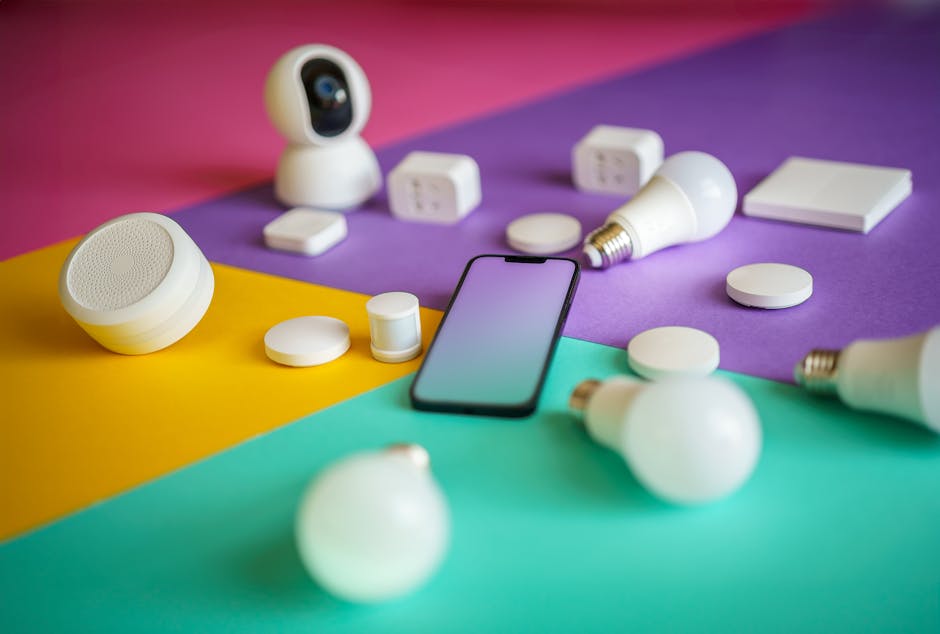
The Future is Dry: Smart Home Automation Systems for Water Leak Prevention in 2025
Water leaks, the silent assassins of homes, continue to be a costly and disruptive problem. In 2025, the advancements in smart home automation are set to revolutionize water leak prevention, offering homeowners comprehensive and proactive solutions to minimize damage and associated costs. This article delves into the best smart home automation systems slated to dominate the market in 2025, examining their features, functionalities, integration capabilities, and predicted impact on preventing water-related disasters.
I. Foundational Technologies Driving the Smart Water Revolution:
Before diving into specific systems, it’s crucial to understand the underlying technologies powering this wave of innovation.
-
Advanced Sensor Technology: 2025 boasts highly sensitive and miniaturized sensors capable of detecting even the slightest hint of moisture. These sensors are no longer limited to simply detecting the presence of water but can now analyze humidity levels, temperature variations, and even the composition of the liquid to differentiate between harmless condensation and potentially damaging leaks. Materials science advancements allow for durable and long-lasting sensors with significantly improved battery life, extending their operational lifespan and reducing maintenance requirements.
-
Artificial Intelligence (AI) & Machine Learning (ML): AI and ML algorithms are playing a pivotal role in analyzing data from various sensors, learning patterns, and predicting potential leaks before they occur. These systems move beyond simple threshold alerts and utilize historical data to identify anomalies and unusual water usage patterns. For instance, they can detect a slow, continuous leak based on subtle pressure changes in the pipes or identify that a toilet is running excessively even when nobody is home. This predictive capability is a game-changer, allowing homeowners to address issues proactively and avoid costly repairs.
-
Enhanced Wireless Communication Protocols: The proliferation of reliable and robust wireless communication protocols like Wi-Fi 6E, Zigbee 3.0, and Z-Wave Long Range (LR) ensures seamless connectivity and communication between sensors, hubs, and user devices. These advancements address limitations of older protocols, providing wider coverage, lower latency, and improved security. The integration of cellular backup connectivity provides an additional layer of reliability, ensuring the system remains functional even during power outages or internet disruptions.
-
Edge Computing: Shifting processing power from centralized cloud servers to local devices (edge computing) enhances system responsiveness and reduces reliance on internet connectivity. This is particularly crucial for time-sensitive events like leak detection, where immediate action is paramount. Edge computing allows the system to analyze data locally and trigger alerts or automated actions without waiting for cloud processing, significantly minimizing response time.
II. Leading Smart Home Automation Systems for Water Leak Prevention in 2025:
The following systems represent the leading contenders in the smart water leak prevention market in 2025, each offering a unique set of features and functionalities.
A. Flo by Moen 2.0: Building upon its already impressive foundation, Flo by Moen 2.0 integrates advanced AI algorithms to provide more granular insights into water usage patterns. The system now incorporates:
*   **Smart Shut-Off Valve with Enhanced Control:** The valve offers more precise control over water flow, allowing for gradual shut-offs to prevent water hammer and potential damage to pipes. It also allows for remote adjustments of water pressure based on real-time usage and external factors like temperature.
*   **Leak Source Detection:** AI algorithms analyze sensor data to pinpoint the potential source of a leak with greater accuracy. This helps homeowners quickly identify and address the problem without extensive troubleshooting.
*   **Integration with Smart Irrigation Systems:** Flo by Moen 2.0 seamlessly integrates with smart irrigation systems, allowing for coordinated water management and preventing overwatering or leaks in outdoor settings.
*   **Predictive Maintenance Alerts:** The system analyzes water usage data to predict potential maintenance needs, such as pipe corrosion or fixture failure, allowing homeowners to proactively address issues before they escalate into major leaks.
*   **Advanced Water Quality Monitoring:** The system now includes sensors capable of monitoring water quality parameters like pH levels, hardness, and the presence of contaminants. This provides valuable information for maintaining water quality and preventing pipe corrosion.
B. Phyn Plus Gen 3 (Now Uponor Phyn Plus): Following its acquisition by Uponor, Phyn Plus Gen 3 leverages Uponor’s expertise in plumbing systems to offer a more comprehensive and integrated solution. Key enhancements include:
*   **Whole-Home Water Monitoring with Enhanced Resolution:** Phyn Plus Gen 3 uses pressure sensing technology to monitor the entire plumbing system with even greater resolution, detecting microscopic leaks that might otherwise go unnoticed.
*   **Automated Leak Isolation:** The system can automatically isolate leaks by shutting off water to specific zones within the home, minimizing damage and allowing for targeted repairs.
*   **Integration with Uponor PEX Plumbing Systems:** Phyn Plus Gen 3 is designed to seamlessly integrate with Uponor PEX plumbing systems, offering optimal performance and reliability.
*   **Professional Installation Support:** Uponor provides professional installation services and ongoing support, ensuring proper system setup and configuration.
*   **Advanced Flow Rate Analysis:** The system analyzes water flow rates in real-time to identify unusual patterns and potential leaks, even when water is actively being used. This is particularly useful for detecting leaks in showers or toilets that might otherwise go unnoticed.
C. StreamLabs Control 3.0: StreamLabs Control 3.0 focuses on affordability and ease of use, making smart water leak prevention accessible to a wider range of homeowners. Key features include:
*   **Simplified Installation Process:** The system features a streamlined installation process that requires minimal plumbing knowledge, allowing for DIY installation.
*   **Improved User Interface:** The mobile app features a redesigned user interface that is more intuitive and user-friendly, making it easier to monitor water usage and manage alerts.
*   **Enhanced Leak Detection Sensitivity:** The system utilizes advanced sensors to detect even the smallest leaks with greater accuracy, minimizing water damage.
*   **Integration with Smart Sprinkler Controllers:** StreamLabs Control 3.0 integrates with popular smart sprinkler controllers to prevent overwatering and detect leaks in irrigation systems.
*   **Cost-Effective Whole-Home Protection:** StreamLabs Control 3.0 offers a cost-effective solution for whole-home water leak protection, making it accessible to budget-conscious homeowners.
D. Google Nest Protect + Water Shutoff (Hypothetical – Future Iteration): While Google Nest Protect primarily focuses on smoke and carbon monoxide detection, a future iteration incorporating a water shutoff valve could be a powerful addition to the smart home ecosystem. This hypothetical system could leverage Nest’s existing infrastructure and user base to provide a seamless and integrated solution for fire and water protection. Key features could include:
*   **Integration with Existing Nest Ecosystem:** Seamless integration with existing Nest devices and the Google Home app, providing a unified control panel for home security and automation.
*   **Voice Control via Google Assistant:** Voice control functionality allowing users to monitor water usage and manage alerts using Google Assistant.
*   **Machine Learning-Based Anomaly Detection:** AI algorithms analyze water usage patterns and historical data to detect anomalies and predict potential leaks.
*   **Automated Water Shutoff in Case of Fire or Leak:** The system automatically shuts off the water supply in case of fire or a detected water leak, minimizing damage and potential hazards.
*   **Proactive Notifications and Alerts:** The system provides proactive notifications and alerts via the Google Home app and voice notifications via Google Assistant, keeping homeowners informed of potential issues.
III. Integration and Interoperability:
A crucial factor in the success of any smart home automation system is its ability to integrate with other smart devices and platforms. In 2025, seamless integration and interoperability will be paramount.
- IFTTT (If This Then That) Integration: Support for IFTTT allows users to create custom applets that automate tasks based on water leak detection events. For example, an applet could automatically turn off the water heater in the event of a leak to prevent further damage.
- SmartThings and HomeKit Compatibility: Compatibility with popular smart home platforms like SmartThings and HomeKit allows users to integrate water leak prevention into their existing smart home ecosystems.
- Open API and Developer Support: Open APIs and robust developer support encourage third-party developers to create integrations and expand the functionality of the system.
- Energy Management System Integration: Integration with energy management systems allows for coordinated water and energy management, optimizing resource usage and reducing utility bills.
IV. Impact and Benefits:
The widespread adoption of smart home automation systems for water leak prevention in 2025 is expected to have a significant impact on homeowners, insurers, and the environment.
- Reduced Water Damage and Repair Costs: Proactive leak detection and automated shutoff capabilities minimize water damage and associated repair costs.
- Lower Insurance Premiums: Insurance companies are likely to offer discounts to homeowners who install smart water leak prevention systems, recognizing the reduced risk of water damage claims.
- Water Conservation: Monitoring water usage patterns and identifying leaks helps homeowners conserve water and reduce their environmental footprint.
- Improved Home Security: Automated water shutoff can prevent water damage in the event of a burglary or other security breach.
- Peace of Mind: Knowing that your home is protected from water leaks provides peace of mind and reduces stress.
The smart home automation market for water leak prevention is poised for significant growth in 2025. These advanced systems will empower homeowners to proactively protect their homes from the devastating effects of water leaks, saving money, conserving water, and providing peace of mind. The future is indeed dry, thanks to the power of smart technology.