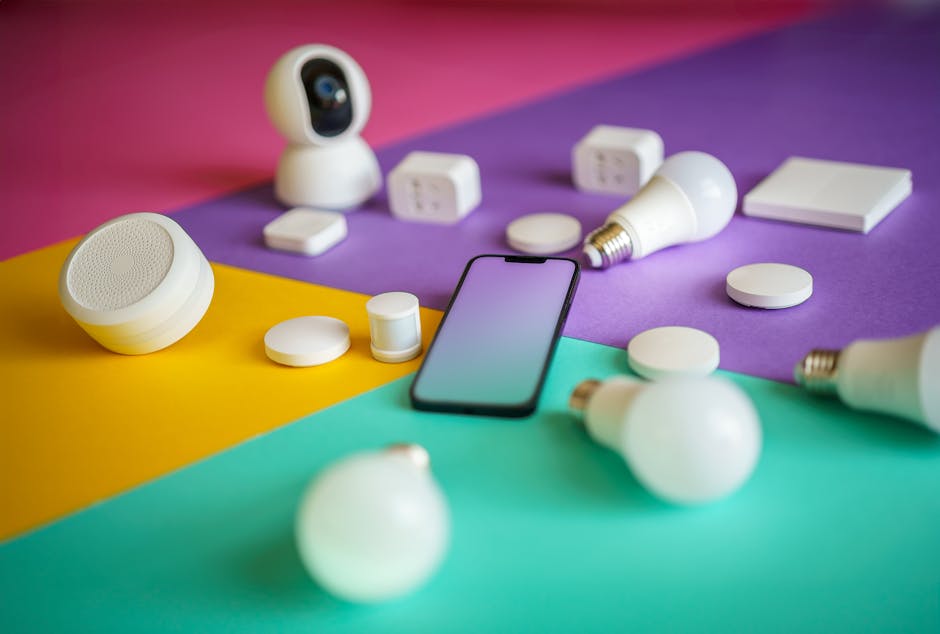
Choosing the Right Leak Sensors: A Foundation for Smart Home Security
The effectiveness of a smart home water leak detection system hinges on selecting the right sensors. Several factors should influence your decision, including sensor type, connectivity, power source, sensitivity, and integration capabilities.
Sensor Types: There are two primary types of leak sensors: point sensors and cable sensors. Point sensors, the most common type, are small devices placed in areas prone to leaks, such as under sinks, near water heaters, and around toilets. They trigger an alarm upon direct contact with water. Cable sensors, on the other hand, consist of a long, water-sensitive cable that can be run along baseboards or wrapped around pipes to detect leaks over a larger area. Cable sensors are advantageous for monitoring long pipe runs or areas where the exact leak location is uncertain.
Connectivity: Modern leak sensors offer various connectivity options, including Wi-Fi, Z-Wave, Zigbee, and Bluetooth. Wi-Fi sensors connect directly to your home’s existing Wi-Fi network, simplifying setup and allowing for remote monitoring without additional hubs. However, they consume more power than other options. Z-Wave and Zigbee sensors require a compatible hub to communicate with your smart home system. These protocols offer lower power consumption and improved range compared to Wi-Fi, but introduce the added cost and complexity of a hub. Bluetooth sensors are typically used for localized monitoring and may require a Bluetooth gateway for remote access. Evaluate your existing smart home infrastructure and preferred communication protocols to determine the best connectivity option.
Power Source: Leak sensors are typically powered by batteries or AC adapters. Battery-powered sensors offer flexibility in placement, as they don’t require proximity to a power outlet. Look for sensors with long battery life to minimize maintenance. AC-powered sensors provide continuous power, eliminating the need for battery replacements. However, they are restricted to locations near power outlets and may require professional installation. Some sensors offer a hybrid approach, combining battery backup with AC power for added reliability.
Sensitivity: Sensitivity refers to the amount of water required to trigger an alarm. Higher sensitivity allows for early leak detection, potentially preventing significant water damage. Some sensors offer adjustable sensitivity settings, allowing you to fine-tune the detection threshold to minimize false alarms. Consider the specific environment and potential sources of nuisance moisture when selecting a sensor with appropriate sensitivity.
Integration Capabilities: Crucially, ensure that the chosen leak sensors are compatible with your existing smart home ecosystem. Check for integration with popular platforms like Apple HomeKit, Google Assistant, Amazon Alexa, and Samsung SmartThings. Seamless integration allows you to control and monitor your leak sensors through your preferred smart home app, automate responses to leak detections (e.g., shutting off the water supply), and receive notifications on your mobile devices.
Placement Strategies for Optimal Leak Detection
Strategic placement of leak sensors is paramount to maximizing their effectiveness. Consider the following factors when determining sensor locations:
High-Risk Areas: Prioritize placement in areas with a high probability of leaks, such as:
- Under Sinks: Kitchen and bathroom sinks are prime candidates for leaks due to leaky faucets, drain connections, and supply lines. Place a sensor directly beneath the sink cabinet to detect drips and spills.
- Near Water Heaters: Water heaters are prone to leaks due to corrosion, sediment buildup, and pressure relief valve malfunctions. Place a sensor near the base of the water heater to detect escaping water.
- Around Toilets: Toilets can leak due to faulty fill valves, leaky flappers, and loose connections. Place a sensor near the base of the toilet to detect overflows and leaks.
- Dishwashers and Washing Machines: These appliances are connected to water lines and drains, making them susceptible to leaks. Place sensors behind or beneath these appliances.
- Refrigerators with Ice Makers: The water line supplying the ice maker can leak, potentially causing significant water damage. Place a sensor behind the refrigerator.
- Basements and Crawl Spaces: These areas are often prone to moisture intrusion and leaks from foundations, pipes, and appliances. Place sensors in low-lying areas and near plumbing fixtures.
Hidden Plumbing: Consider placing sensors in areas where plumbing is concealed, such as behind walls or under floors. Leaks in these areas can go undetected for extended periods, causing significant damage.
Multiple Sensors: Employ multiple sensors to create a comprehensive leak detection network. A single sensor may not be sufficient to cover an entire area or detect leaks in multiple locations.
Cable Sensor Placement: When using cable sensors, run the cable along baseboards, around pipes, or under appliances to cover a larger area. Secure the cable in place to prevent accidental dislodging.
Testing and Maintenance: Regularly test your leak sensors to ensure they are functioning properly. Most sensors have a test button that triggers an alarm. Replace batteries as needed and clean the sensors to remove any debris or buildup that could interfere with their operation.
Integrating Leak Sensors with Smart Home Platforms
Seamless integration with your smart home platform is crucial for automating responses to leak detections and receiving timely notifications.
Platform Compatibility: Before purchasing leak sensors, verify their compatibility with your chosen smart home platform. Check the product specifications or consult the manufacturer’s website.
Hub Integration: If using Z-Wave or Zigbee sensors, ensure that your hub is compatible with the sensors and that you have properly paired them. Follow the hub manufacturer’s instructions for adding new devices.
App Configuration: Most smart home platforms provide a dedicated app for controlling and monitoring connected devices. Use the app to configure your leak sensors, set up notifications, and create automation rules.
Automation Rules: Leverage the power of automation to create custom responses to leak detections. For example, you can configure the system to:
- Send Mobile Notifications: Receive instant notifications on your smartphone or tablet when a leak is detected.
- Sound an Alarm: Trigger an audible alarm to alert you and others in the household.
- Shut Off the Water Supply: Integrate with a smart water valve to automatically shut off the water supply when a leak is detected, preventing further damage.
- Adjust Thermostat: In cold climates, freezing pipes are a major cause of leaks. Configure your thermostat to increase the temperature if a leak is detected to prevent further freezing and potential damage.
- Integrate with Security System: Integrate with your home security system to trigger an alert to a monitoring center in case of a significant leak.
Choosing a Smart Water Shutoff Valve
Integrating a smart water shutoff valve with your leak detection system provides an extra layer of protection by automatically turning off the water supply when a leak is detected.
Valve Types: There are two main types of smart water shutoff valves: full port and reduced port. Full port valves have an opening equal to the diameter of the pipe, minimizing flow restriction. Reduced port valves have a smaller opening, which can reduce water pressure and flow. Choose a valve that is appropriate for your plumbing system and water pressure requirements.
Connectivity: Smart water shutoff valves typically connect to your smart home system via Wi-Fi, Z-Wave, or Zigbee. Choose a valve with a connectivity option that is compatible with your existing infrastructure.
Installation: Smart water shutoff valves can be installed by a qualified plumber or by a DIY enthusiast with plumbing experience. Installation typically involves cutting into the main water line and installing the valve.
Manual Override: Ensure that the smart water shutoff valve has a manual override feature that allows you to manually turn the water on or off in case of a power outage or system malfunction.
Leak Sensor Placement Near the Valve: Place a leak sensor near the smart water shutoff valve to detect any leaks that may occur at the valve itself.
Advanced Features: Beyond Basic Leak Detection
Some advanced leak sensors and smart home platforms offer features that extend beyond basic leak detection, providing enhanced monitoring and control.
Water Usage Monitoring: Some smart water shutoff valves and leak detection systems can track your water usage in real-time, providing insights into your water consumption patterns. This information can help you identify potential leaks and conserve water.
Flow Rate Analysis: Advanced systems can analyze the flow rate of water through your pipes to detect unusual patterns that may indicate a leak.
Pressure Monitoring: Some sensors can monitor water pressure to detect sudden drops or spikes that may indicate a problem with your plumbing system.
Temperature Monitoring: Sensors with temperature monitoring capabilities can alert you to freezing temperatures, which can lead to burst pipes.
Remote Control: Control the smart water valve remotely via the smart home app. This is useful if you’re away and suspect a leak.
Professional Monitoring Integration: Integrate your leak detection system with a professional monitoring service for 24/7 protection and rapid response to leaks.
By carefully considering these factors, you can seamlessly integrate leak sensors into your smart home ecosystem, creating a robust and reliable water leak detection system that protects your property from costly water damage.