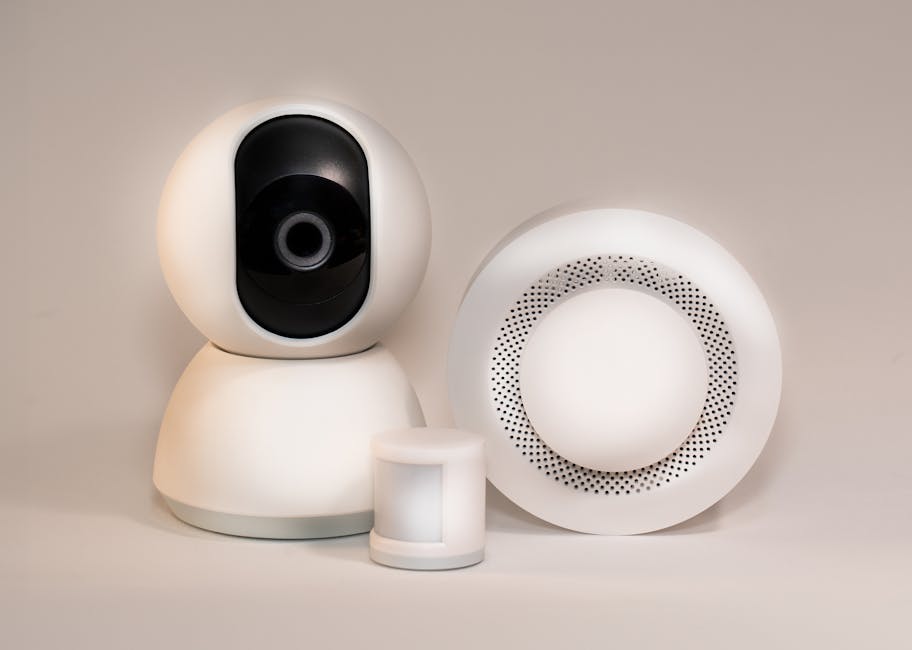
Smart Home Alerts: Proactive Plumbing Issue Detection
Plumbing problems, often lurking beneath the surface, can quickly escalate from minor inconveniences to major, expensive disasters. Imagine returning home from vacation to find your floors soaked and walls damaged from a burst pipe. Or silently losing gallons of water each day from a hidden leak, driving up your water bill and potentially fostering mold growth. Traditional methods of plumbing maintenance rely heavily on reactive measures – waiting for a noticeable symptom to appear before taking action. However, smart home technology is revolutionizing this approach, offering proactive detection and mitigation of plumbing issues, saving homeowners time, money, and considerable stress.
The Dawn of Smart Plumbing: A New Paradigm
Smart plumbing systems leverage sensor technology, data analytics, and wireless communication to continuously monitor the health of a home’s water system. These systems go beyond simply detecting leaks; they analyze water usage patterns, identify anomalies, and even predict potential failures before they occur. This proactive approach allows homeowners to address minor issues before they become catastrophic, significantly reducing the risk of water damage and costly repairs.
Key Components of a Smart Plumbing System:
A comprehensive smart plumbing system typically incorporates several key components, working in concert to provide real-time monitoring and proactive alerts:
- Smart Water Leak Detectors: These devices are strategically placed in areas prone to leaks, such as under sinks, near toilets, washing machines, water heaters, and dishwashers. They use sensors to detect the presence of water and immediately alert the homeowner via a mobile app, email, or SMS. Some sophisticated models can even distinguish between a minor spill and a significant leak. They often utilize moisture sensors, temperature sensors (to detect freezing pipes), and even vibration sensors to identify unusual activity.
- Smart Water Shut-Off Valves: These automated valves can be remotely controlled via a smartphone or integrated with leak detectors. Upon detecting a leak, the valve can automatically shut off the main water supply, preventing further damage. Some models even offer manual override functionality, allowing homeowners to temporarily bypass the automatic shut-off if needed. These valves often use flow rate sensors and pressure sensors to identify abnormal water usage patterns that might indicate a leak.
- Smart Water Meters: Unlike traditional mechanical water meters, smart water meters provide detailed insights into water consumption patterns. They track water usage in real-time, allowing homeowners to identify unusual spikes or prolonged periods of water flow, which could indicate a leak or running appliance. Data from smart water meters can be accessed via a mobile app or web portal, providing valuable information for water conservation and leak detection. They can also track water pressure, offering insights into potential pipe degradation.
- Smart Pipe Sensors: These sensors, often utilizing acoustic technology, are designed to be attached directly to pipes to monitor their condition. They can detect subtle vibrations and sounds that might indicate leaks, corrosion, or other problems. By analyzing the acoustic signature of the pipes, these sensors can provide early warning of potential failures. These sensors are particularly useful for detecting leaks in concealed pipes, such as those behind walls or under floors.
- Flow Rate Sensors: These sensors continuously monitor the rate at which water is flowing through the pipes. Any significant deviation from the normal flow rate can trigger an alert, indicating a potential leak or blockage. They can be integrated into various points of the plumbing system for comprehensive monitoring.
- Pressure Sensors: Monitoring water pressure is crucial for identifying potential problems. Low pressure could indicate a leak or blockage, while high pressure could strain pipes and increase the risk of bursting. Pressure sensors provide real-time data that can be used to identify and address pressure-related issues before they cause damage.
Benefits of Proactive Plumbing Issue Detection:
Implementing a smart plumbing system offers a wide range of benefits, including:
- Early Leak Detection: Detects leaks early, before they cause significant damage. This is crucial for preventing mold growth, structural damage, and costly repairs. Early detection also minimizes water waste and reduces water bills.
- Preventing Water Damage: By automatically shutting off the water supply upon detecting a leak, smart valves can prevent extensive water damage to floors, walls, ceilings, and personal belongings. This can save homeowners thousands of dollars in repair costs.
- Reduced Water Bills: Identifying and fixing leaks promptly can significantly reduce water consumption, resulting in lower water bills. This is especially beneficial in areas with high water rates.
- Peace of Mind: Knowing that the home’s plumbing system is being continuously monitored provides peace of mind, especially for homeowners who travel frequently or own vacation homes.
- Improved Water Conservation: By providing detailed insights into water usage patterns, smart water meters can help homeowners identify areas where they can conserve water, contributing to environmental sustainability.
- Remote Monitoring and Control: Smart plumbing systems can be monitored and controlled remotely via a smartphone or web portal, allowing homeowners to take action even when they are away from home.
- Predictive Maintenance: Some smart plumbing systems utilize data analytics to predict potential failures before they occur. This allows homeowners to schedule preventative maintenance, avoiding costly emergency repairs.
- Increased Home Value: Installing a smart plumbing system can increase the value of a home by making it more attractive to potential buyers. Homebuyers are increasingly interested in smart home technology and the convenience and peace of mind it provides.
- Insurance Benefits: Some insurance companies offer discounts to homeowners who install smart plumbing systems, recognizing the reduced risk of water damage.
- Freeze Protection: Systems with temperature sensors can detect freezing temperatures in pipes and alert homeowners to take preventative measures, such as opening cabinet doors or wrapping pipes with insulation. Some systems can even automatically drain pipes to prevent bursting.
Selecting the Right Smart Plumbing System:
Choosing the right smart plumbing system depends on individual needs and budget. Consider the following factors when making a selection:
- Home Size and Layout: The size and layout of the home will determine the number of sensors and valves needed. Larger homes with multiple bathrooms and water-using appliances will require a more comprehensive system.
- Budget: Smart plumbing systems range in price from a few hundred dollars to several thousand dollars, depending on the features and functionality. Set a budget and look for a system that meets your needs without breaking the bank.
- Installation Requirements: Some smart plumbing systems are easy to install as DIY projects, while others require professional installation. Consider your DIY skills and willingness to hire a plumber.
- Compatibility: Ensure that the smart plumbing system is compatible with the home’s existing plumbing system and other smart home devices. Look for systems that integrate with popular smart home platforms such as Amazon Alexa, Google Assistant, and Apple HomeKit.
- Features and Functionality: Evaluate the features and functionality of different systems, such as leak detection sensitivity, automatic shut-off capabilities, remote monitoring, and data analytics.
- Mobile App: A user-friendly mobile app is essential for monitoring and controlling the smart plumbing system. Look for an app that provides clear and concise information, customizable alerts, and easy-to-use controls.
- Customer Support: Choose a system from a reputable manufacturer with responsive customer support. In case of technical issues or questions, it’s important to have access to reliable support.
- Warranty: A comprehensive warranty provides protection against defects in materials and workmanship.
Installation Considerations:
Proper installation is crucial for the effectiveness of a smart plumbing system. While some systems can be installed as DIY projects, professional installation is often recommended, especially for smart water shut-off valves. Consider the following installation tips:
- Strategic Sensor Placement: Place leak detectors in areas prone to leaks, such as under sinks, near toilets, washing machines, water heaters, and dishwashers.
- Secure Valve Installation: Ensure that the smart water shut-off valve is installed securely and correctly, according to the manufacturer’s instructions.
- Proper Calibration: Calibrate the smart water meter and other sensors to ensure accurate readings.
- Wireless Network Connectivity: Ensure that the smart plumbing system has a stable and reliable connection to the home’s wireless network.
- Regular Testing: Test the system regularly to ensure that it is functioning properly.
The Future of Smart Plumbing:
The future of smart plumbing is bright, with ongoing advancements in sensor technology, data analytics, and artificial intelligence. Expect to see more sophisticated systems that can:
- Predict Pipe Failures with Greater Accuracy: Advanced algorithms will analyze data from sensors to predict pipe failures with greater accuracy, allowing for preventative maintenance before leaks occur.
- Optimize Water Usage: Smart plumbing systems will provide more detailed insights into water usage patterns, allowing homeowners to optimize their water consumption and reduce waste.
- Integrate with Smart Home Ecosystems: Smart plumbing systems will seamlessly integrate with other smart home devices and platforms, creating a more connected and automated home environment.
- Offer Personalized Water Management: Smart plumbing systems will learn homeowners’ water usage habits and provide personalized recommendations for water conservation.
- Detect and Prevent Frozen Pipes Automatically: Advanced temperature sensors and algorithms will automatically detect and prevent frozen pipes, mitigating the risk of bursting.
- Provide Real-Time Water Quality Monitoring: Integrated water quality sensors will monitor water purity and alert homeowners to any potential contamination.
- Automated Leak Repair: In the future, robotic devices might be integrated into smart plumbing systems to automatically repair small leaks, further minimizing water damage.
By embracing smart plumbing technology, homeowners can move from a reactive approach to a proactive one, safeguarding their homes, conserving water, and enjoying greater peace of mind. The ability to detect and address plumbing issues early, prevent water damage, and optimize water usage makes smart plumbing an increasingly valuable investment for homeowners seeking a more secure, efficient, and sustainable future.