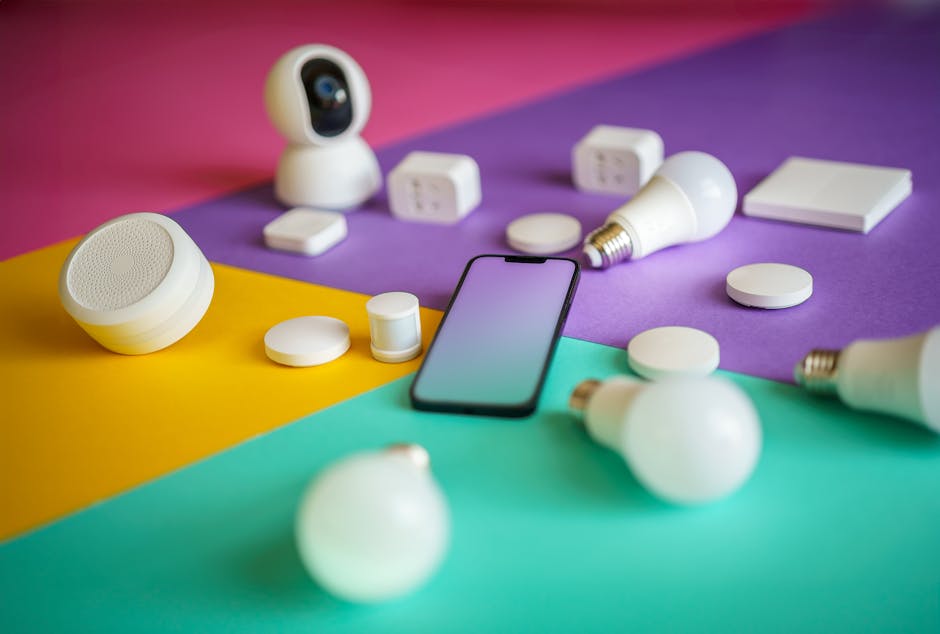
Smart Home Devices for Water Protection: A Comprehensive Guide
Water damage is a homeowner’s nightmare. It can lead to costly repairs, mold growth, and health hazards. Fortunately, advancements in smart home technology offer proactive solutions to detect, prevent, and mitigate water damage before it spirals out of control. This comprehensive guide explores the landscape of smart home devices dedicated to water protection, covering their functionality, benefits, and considerations for integration.
I. Smart Water Leak Detectors: The First Line of Defense
At the core of water protection lies the ability to detect leaks early. Smart water leak detectors are small, often battery-powered devices equipped with sensors that trigger alerts upon contact with water. They represent a crucial first line of defense against undetected leaks.
-
Functionality: These devices typically employ sensors that measure electrical conductivity between two points. When water bridges these points, the device sends an immediate alert via Wi-Fi or cellular connection to your smartphone, email, or even integrates with other smart home platforms. Some advanced models also measure temperature and humidity, offering further insights into potential problems like condensation.
-
Placement is Key: Strategic placement is paramount for effective leak detection. Common areas to deploy these detectors include:
- Under Sinks: Kitchen and bathroom sinks are frequent sites of leaks due to loose connections, dripping faucets, or burst pipes.
- Near Appliances: Washing machines, dishwashers, refrigerators with ice makers, and water heaters are prone to leaks from supply lines, drainage issues, or internal failures.
- Basements and Crawl Spaces: These areas are susceptible to leaks from foundations, groundwater seepage, or plumbing issues.
- Toilets: Leaks can occur from faulty fill valves, flappers, or tank seals.
- Around Pipes: Monitor vulnerable pipe connections, especially in older homes with aging plumbing.
-
Types of Alerts: Smart leak detectors offer various alert mechanisms:
- Smartphone Notifications: The most common and immediate form of alert.
- Email Notifications: Useful for less critical alerts or backup notifications.
- Audible Alarms: Local alarms within the device itself, helpful when smartphone notifications might be missed.
- Push Notifications to Smart Home Hubs: Integration with platforms like Amazon Alexa or Google Home allows for voice alerts and automation.
- SMS Text Messages: Ensures alerts are received even without a consistent internet connection (often requires a subscription).
-
Benefits of Smart Leak Detectors:
- Early Detection: Detects leaks before they cause significant damage.
- Reduced Water Bills: Identifies hidden leaks that can inflate water consumption.
- Peace of Mind: Provides reassurance, especially when away from home.
- Prevent Mold Growth: Minimizes the conditions that promote mold formation.
- Potential Insurance Discounts: Some insurance companies offer discounts for installing water leak detection systems.
-
Considerations When Choosing a Leak Detector:
- Connectivity: Wi-Fi or cellular connectivity options.
- Battery Life: The expected battery life and replacement frequency.
- Water Sensitivity: The sensor’s accuracy and sensitivity to small amounts of water.
- Price: The initial cost and any recurring subscription fees.
- Integration: Compatibility with existing smart home systems.
- Durability: The device’s resistance to moisture and potential damage.
II. Smart Water Shut-Off Valves: Proactive Damage Prevention
While leak detectors alert you to a problem, smart water shut-off valves take proactive action by automatically shutting off the main water supply when a leak is detected. This can significantly minimize water damage and prevent further complications.
-
Functionality: These devices are installed on the main water line entering your home. When a leak detector triggers an alert, the smart shut-off valve receives the signal and automatically closes the valve, stopping the flow of water. They can also be controlled remotely via a smartphone app.
-
Types of Smart Shut-Off Valves:
- Motorized Ball Valves: These valves use a motor to rotate a ball with a hole through it, opening or closing the water flow. They are generally reliable and offer a clear indication of whether the valve is open or closed.
- Solenoid Valves: These valves use an electromagnet to control the flow of water. They are typically faster to respond than motorized ball valves but may be less reliable in certain conditions.
-
Installation: Installation can be performed by a qualified plumber or, in some cases, DIY-installed if you possess the necessary plumbing skills. Professional installation is recommended to ensure proper installation and prevent potential leaks.
-
Benefits of Smart Shut-Off Valves:
- Automated Leak Mitigation: Prevents extensive water damage by automatically shutting off the water supply.
- Remote Control: Allows you to turn off the water supply remotely, even when you’re away from home.
- Reduced Insurance Claims: Minimizes the likelihood and severity of water damage claims.
- Water Conservation: Helps to conserve water by stopping leaks quickly.
-
Considerations When Choosing a Smart Shut-Off Valve:
- Valve Size: Ensure the valve is compatible with the size of your main water line.
- Flow Rate: Choose a valve with a flow rate that matches your home’s water needs.
- Power Source: Consider whether the valve requires AC power or battery backup.
- Durability: Select a valve made from durable materials that can withstand the pressure and environment of your plumbing system.
- Integration: Ensure compatibility with your existing smart home system and leak detectors.
- Manual Override: A manual override feature is essential in case of power outages or system malfunctions.
III. Smart Faucets and Showerheads: Monitoring and Control at the Source
Smart faucets and showerheads offer a more granular level of water management, allowing you to monitor water usage, set timers, and even control temperature and flow remotely. While not primarily designed for leak detection, they can contribute to overall water conservation and potentially alert you to unusual water activity.
-
Functionality: These devices typically connect to your Wi-Fi network and offer features like:
- Water Usage Tracking: Monitors water consumption in real-time and provides historical data.
- Temperature Control: Allows you to adjust water temperature remotely or set preset temperatures.
- Flow Rate Control: Controls the flow of water to conserve water.
- Voice Control: Integration with voice assistants like Amazon Alexa and Google Home.
- Timer Settings: Sets timers for showers or faucet usage to prevent water waste.
-
Benefits of Smart Faucets and Showerheads:
- Water Conservation: Promotes water conservation by tracking usage and controlling flow rates.
- Convenience: Offers remote control and voice activation for ease of use.
- Personalization: Allows you to customize water temperature and flow to your preferences.
- Potential Leak Detection Aid: While not a primary function, unusual water usage patterns can indicate potential leaks.
-
Considerations When Choosing Smart Faucets and Showerheads:
- Water Pressure: Ensure the device is compatible with your home’s water pressure.
- Installation: Consider the complexity of installation and whether professional help is required.
- Power Source: Determine whether the device requires batteries or AC power.
- Features: Choose devices with features that meet your specific needs and preferences.
- Price: Evaluate the cost and compare features across different brands and models.
IV. Smart Sprinkler Controllers: Efficient Irrigation and Leak Prevention
Smart sprinkler controllers optimize outdoor water usage by adjusting watering schedules based on weather conditions, soil moisture levels, and plant types. They can also detect leaks in your irrigation system, preventing water waste and potential damage to your property.
-
Functionality: Smart sprinkler controllers connect to your Wi-Fi network and use weather data, soil sensors, and other information to create efficient watering schedules. They can also detect leaks by monitoring water flow and identifying unusual patterns.
-
Benefits of Smart Sprinkler Controllers:
- Water Conservation: Reduces water waste by optimizing irrigation schedules.
- Cost Savings: Lowers water bills by using water more efficiently.
- Improved Plant Health: Provides plants with the right amount of water at the right time.
- Leak Detection: Identifies leaks in your irrigation system, preventing water waste and potential damage.
- Remote Control: Allows you to control your sprinkler system from anywhere with an internet connection.
-
Considerations When Choosing a Smart Sprinkler Controller:
- Number of Zones: Ensure the controller supports the number of zones in your sprinkler system.
- Weather Data: Choose a controller that uses accurate weather data to adjust watering schedules.
- Soil Sensors: Consider using soil sensors to provide more precise watering recommendations.
- Integration: Ensure compatibility with your existing smart home system.
- Installation: Determine whether professional installation is required.
V. Integrating Water Protection Devices into a Smart Home Ecosystem
The true power of smart home water protection lies in integrating these individual devices into a unified ecosystem. By connecting leak detectors, shut-off valves, and other water-related devices to a central hub or platform, you can create a comprehensive system that provides proactive protection against water damage.
-
Benefits of Integration:
- Automated Responses: Automatic shut-off of the water supply upon leak detection.
- Centralized Monitoring: A single dashboard for monitoring all water-related devices.
- Customized Alerts: Tailored alerts based on specific events or conditions.
- Improved Efficiency: Streamlined water management and conservation efforts.
-
Integration Platforms:
- Amazon Alexa: Integrates with a wide range of smart home devices, including leak detectors and shut-off valves.
- Google Home: Similar to Alexa, Google Home offers seamless integration with various smart home devices.
- Samsung SmartThings: A versatile platform that supports a wide range of devices and protocols.
- Apple HomeKit: Apple’s smart home platform offers integration with compatible devices, focusing on security and privacy.
VI. Regular Maintenance and Best Practices
While smart home devices provide a significant layer of protection, they are not a substitute for regular maintenance and preventative measures.
- Regularly inspect plumbing fixtures and appliances for leaks.
- Insulate pipes in unheated areas to prevent freezing.
- Clean gutters and downspouts to ensure proper drainage.
- Periodically test your smart water shut-off valve to ensure it’s functioning correctly.
- Replace old or damaged plumbing components promptly.
- Review your insurance policy to ensure adequate coverage for water damage.
By combining smart home technology with diligent maintenance practices, you can significantly reduce the risk of water damage and protect your home and property from costly and disruptive incidents.