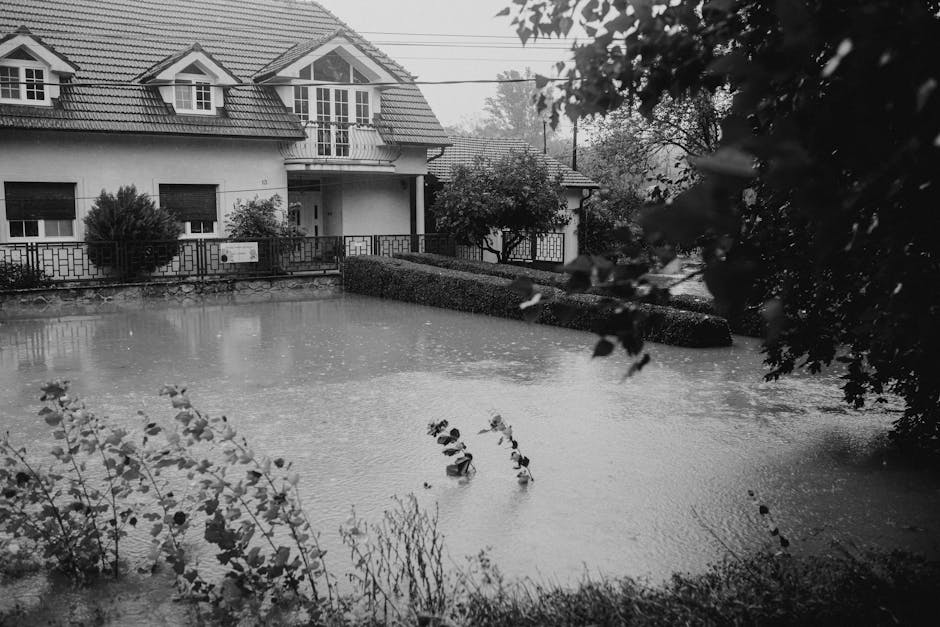
Protect Your Property: Essential Water Leak Prevention Tips
I. Understanding the Scope of the Problem: Water Damage and Its Impact
Water leaks, often silent and insidious, pose a significant threat to residential and commercial properties. The impact extends far beyond mere inconvenience; it can lead to substantial financial losses, health hazards, and structural compromise. Grasping the gravity of water damage is the first crucial step in proactive prevention.
A. The Financial Burden of Water Damage:
Repairs stemming from water leaks can be shockingly expensive. Costs can range from a few hundred dollars to replace a small section of drywall to tens of thousands of dollars for extensive structural repairs, mold remediation, and replacement of flooring, furniture, and personal belongings. Insurance policies often cover sudden and accidental water damage, but they may not cover damage resulting from negligence or lack of maintenance. Therefore, prevention is a financially sound investment.
B. Health Risks Associated with Water Damage:
The presence of moisture provides a breeding ground for mold and mildew. These fungi release spores into the air, which can trigger allergic reactions, respiratory problems, and other health issues. Individuals with asthma, allergies, or compromised immune systems are particularly vulnerable. Mold remediation can be costly and disruptive, further emphasizing the importance of preventing water leaks in the first place.
C. Structural Integrity and Long-Term Consequences:
Water leaks, left unchecked, can weaken the structural integrity of your property. Wood can rot, metal can corrode, and foundations can crack, leading to costly and potentially irreversible damage. Over time, the cumulative effects of water damage can compromise the stability and safety of the building, necessitating extensive and expensive repairs or even demolition in extreme cases.
II. Plumbing System Inspection and Maintenance: Your First Line of Defense
The plumbing system is the primary source of most water leaks. Regular inspections and proactive maintenance are paramount to preventing costly damage.
A. Identifying and Addressing Common Plumbing Issues:
-
Leaky Faucets and Toilets: A seemingly minor drip from a faucet or running toilet can waste significant amounts of water and contribute to water damage over time. Repair or replace worn-out washers, O-rings, and other components promptly. Check toilet flappers regularly for proper sealing and replace them as needed.
-
Deteriorating Pipes: Inspect exposed pipes for signs of corrosion, rust, or leaks. Pay close attention to joints and connections. Replace older pipes, especially those made of galvanized steel, which are prone to corrosion, with more durable materials like copper or PEX.
-
Running Toilets: Persistent running can indicate a faulty flapper, fill valve, or other component within the toilet tank. Address this issue promptly to prevent water wastage and potential overflows.
-
Low Water Pressure: While not always indicative of a leak, a sudden drop in water pressure can signal a hidden leak somewhere in the system. Investigate the cause and address it promptly.
B. Regular Plumbing Inspections:
Schedule professional plumbing inspections at least once a year, or more frequently if you have an older home or have experienced plumbing issues in the past. A qualified plumber can identify potential problems that may not be readily apparent, such as hidden leaks behind walls or under floors.
C. Winterizing Your Plumbing System:
In cold climates, freezing temperatures can cause pipes to burst, leading to significant water damage. Take the following precautions to winterize your plumbing system:
-
Insulate Pipes: Insulate exposed pipes in unheated areas, such as basements, crawl spaces, and attics, with pipe insulation sleeves or heat tape.
-
Seal Drafts: Seal any cracks or openings in walls, floors, and ceilings to prevent cold air from reaching pipes.
-
Drip Faucets: On extremely cold nights, allow faucets to drip slightly to keep water flowing through the pipes and prevent them from freezing.
-
Turn Off and Drain Water System (if going away): If leaving your property for an extended period during the winter, consider turning off the main water supply and draining the pipes to prevent freezing.
III. Appliance Maintenance: Preventing Water Leaks at the Source
Appliances that use water, such as washing machines, dishwashers, refrigerators with ice makers, and water heaters, are potential sources of water leaks. Regular maintenance and inspection are crucial.
A. Washing Machine Maintenance:
-
Inspect Hoses: Check washing machine hoses regularly for cracks, bulges, or leaks. Replace rubber hoses with braided stainless steel hoses, which are more durable and less prone to bursting.
-
Avoid Overloading: Overloading the washing machine can put excessive strain on the hoses and connections, increasing the risk of leaks.
-
Clean Lint Trap: Clean the lint trap regularly to prevent clogs and ensure proper drainage.
B. Dishwasher Maintenance:
-
Inspect Hoses and Connections: Check dishwasher hoses and connections for leaks or damage.
-
Clean Spray Arms: Clean the spray arms regularly to remove food debris and ensure proper water distribution.
-
Avoid Overfilling: Avoid overfilling the dishwasher with detergent, as this can lead to excessive suds and potential leaks.
C. Refrigerator Maintenance (with Ice Maker/Water Dispenser):
-
Inspect Water Line: Check the water line to the refrigerator for leaks or kinks.
-
Replace Water Filter: Replace the water filter regularly according to the manufacturer’s instructions. A clogged filter can restrict water flow and put strain on the water line.
-
Check Ice Maker Connections: Inspect the ice maker connections for leaks.
D. Water Heater Maintenance:
-
Flush the Tank: Flush the water heater tank annually to remove sediment buildup, which can reduce efficiency and contribute to corrosion.
-
Inspect Pressure Relief Valve: Check the pressure relief valve regularly to ensure it is functioning properly.
-
Check for Leaks: Inspect the water heater tank and connections for leaks.
-
Consider a Pan: Install a drain pan beneath the water heater to catch any leaks and prevent water damage to the surrounding area.
IV. Roof and Gutter Maintenance: Protecting Against External Water Intrusion
A well-maintained roof and gutter system are essential for diverting rainwater away from your property and preventing water intrusion.
A. Roof Inspections:
Inspect your roof regularly for signs of damage, such as missing or damaged shingles, cracks, or leaks. Pay close attention to areas around chimneys, vents, and skylights.
B. Gutter Cleaning:
Clean your gutters and downspouts regularly to remove leaves, debris, and other obstructions that can prevent proper drainage. Clogged gutters can cause water to back up and overflow, leading to water damage to the roof, siding, and foundation.
C. Proper Drainage:
Ensure that rainwater is properly diverted away from your foundation. Extend downspouts if necessary to direct water away from the building. Consider installing French drains or other drainage systems to manage excess water.
V. Utilizing Technology: Smart Water Leak Detection Systems
Smart water leak detection systems can provide early warning of potential leaks, allowing you to take action before significant damage occurs.
A. Whole-House Leak Detectors:
These systems monitor water flow throughout your entire plumbing system and can detect abnormal water usage patterns that may indicate a leak. Some systems can even automatically shut off the water supply to prevent further damage.
B. Point-of-Use Leak Detectors:
These devices are installed near specific appliances or fixtures, such as washing machines, dishwashers, or toilets, and can detect leaks in those areas.
C. Benefits of Smart Leak Detection:
- Early Detection: Smart leak detection systems can detect leaks much earlier than traditional methods.
- Remote Monitoring: Many systems allow you to monitor your water usage and receive alerts remotely via a smartphone app.
- Automatic Shut-Off: Some systems can automatically shut off the water supply to prevent further damage.
- Peace of Mind: Smart leak detection systems provide peace of mind knowing that you are protected against water damage.
VI. Addressing Existing Water Damage: Prevention is Best, But Remediation Is Necessary
If you discover existing water damage, it is crucial to address it promptly to prevent further deterioration and health hazards.
A. Identifying and Assessing the Damage:
Determine the source and extent of the water damage. Check for visible signs of mold or mildew.
B. Removing Standing Water:
Remove any standing water as quickly as possible using a wet vacuum, towels, or other absorbent materials.
C. Drying the Affected Area:
Thoroughly dry the affected area using fans, dehumidifiers, or other drying equipment.
D. Professional Remediation:
For significant water damage or mold growth, it is best to hire a professional water damage restoration company. They have the expertise and equipment to properly assess the damage, remove mold, and restore your property to its pre-loss condition.